

Harbor Days, Easy Steps: Accessible Shores for Seasoned Explorers

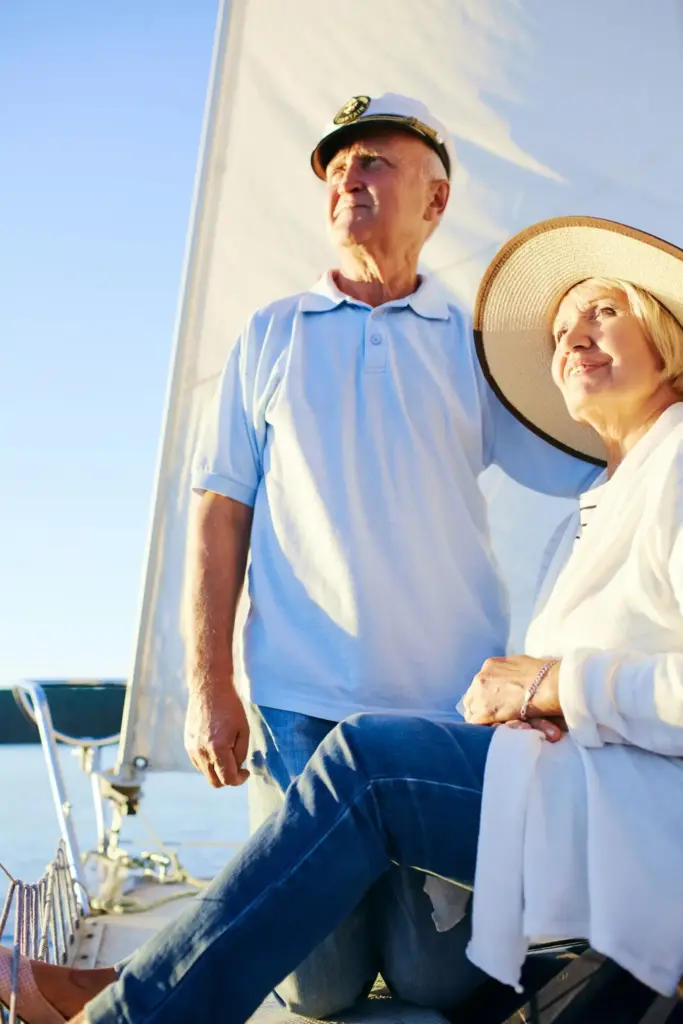
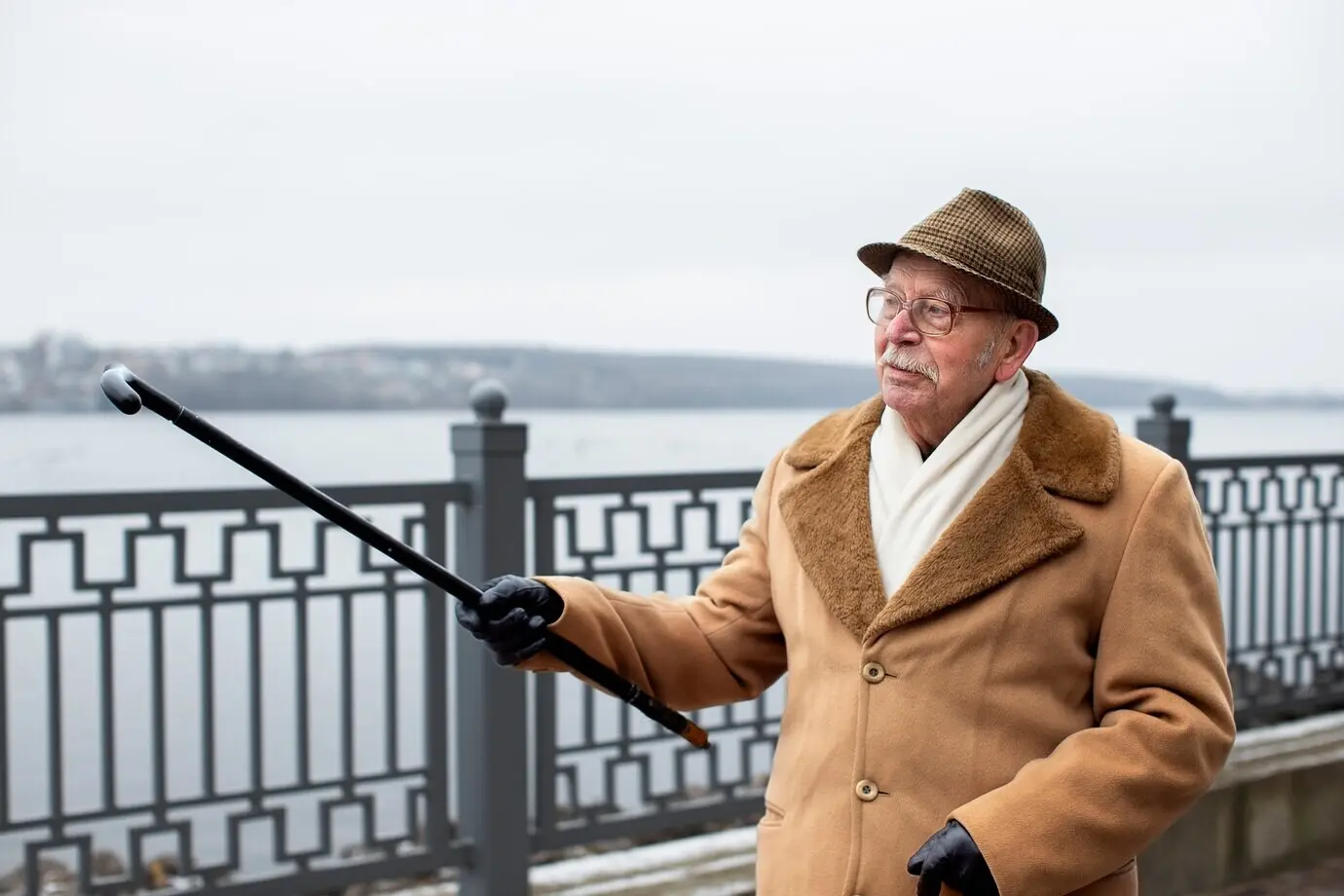
Today we focus on accessible shore experiences in small harbors for senior travelers, turning short port calls into relaxing, confidence‑building outings. Expect practical checklists, lived travel stories, and gentle pacing ideas that let you savor sea air, local flavor, and companionship without rushing. Bring your curiosity, mobility aids if needed, and share your own discoveries so others can plan with joy and calm.

Before You Dock: Research That Saves Energy

Good planning preserves strength for the moments that matter ashore. Check whether you’ll tender or dock, ask about gangway gradients, and request step‑free routes from the pier to town squares. Local harbor offices, visitor centers, and disability councils can confirm surfaces, benches, shade, and restroom access. Comment with ports that treated you well, helping others steer wisely.

Smooth Paths and Seaside Strolls

Gentle promenades turn a short port call into a restorative outing. Look for boardwalks with frequent seating, even surfaces, and shade from awnings or trees. Where inclines appear, choose switchbacks over direct climbs. Share your favorite flat waterfront walks so future readers can follow your comfortable footsteps.

Getting Around: Wheels, Ramps, and Local Transport

Small towns often run compact shuttles, water buses, or tourist trains with varying accessibility. Clarify ramp widths, step heights, and tie‑down points for mobility devices. When options feel uncertain, a pre‑booked taxi reduces stress. Share rental contacts that treated you respectfully and understood unhurried pacing.

Scooters, Wheelchairs, and Where to Rent

Confirm battery types, range, and charger compatibility before committing to a scooter, especially in countries with different plugs. Wheelchair rentals may include cushions and transfer boards on request. Ask for delivery to the pier gate, easing the first steps into town and conserving strength for joy.

Accessible Shuttles, Taxis, and Water Buses

Request photos of vehicle interiors showing ramp angles and handholds, because descriptions can be vague. Some harbors subsidize accessible shuttles on cruise days; ask at the information booth. Where boats replace buses, confirm boarding gaps and crew assistance, reducing surprises when tides shift quickly.

Culture Within Reach: Markets, Museums, Tastings

Small harbors brim with stories you can savor at a comfortable tempo. Choose experiences close to the pier, with step‑free entrances and friendly staff. From farmers’ stalls to tiny galleries, meaningful encounters unfold when time, seating, and accessibility align. Share finds that welcomed you warmly without fuss.

Markets at Mid-Morning Pace

Arrive after opening rush, when aisles clear and vendors chat. Ask for chairs near tasting counters, and sample small bites without juggling plates while standing. A stallholder in Bornholm once adjusted a ramp plank for us, turning a casual purchase into a cherished, respectful memory.

Small Museums With Big Stories

Curators in little towns often greet guests themselves, glad to slow down and answer questions. Confirm elevator access and seating in galleries. In Ålesund, a guide shared a bench beside a model boat, and our conversation stretched gently, proof that depth thrives where comfort is honored.

Tastings Without the Trek

Winery or roastery visits shine brightest when transport pulls close, surfaces are even, and stools are sturdy. Ask about small pours and water alongside. Choose venues within a flat ten‑minute roll, so flavors linger longer than fatigue, and laughter outlasts logistical puzzles.

Comfort and Safety by the Water

Coastal weather shifts quickly, and docks can be slick. Pack layers, non‑slip soles, and a lightweight folding seat. Hydration, pacing, and micro‑rests extend enjoyment without strain. Add your port‑specific safety tips below, helping others balance adventure with steadiness while waves, tides, and crowds change mood and footing.

Hydration, Sun, and Wind Off the Bay

Bring a reusable bottle, broad‑brim hat, and light scarf for gusts that steal warmth on shaded promenades. Schedule shade breaks every half hour. Electrolyte tablets suit warm days, while thermoses comfort cooler ones. Comfortable temperatures encourage conversation, photography, and lingering smiles by railings and piers.
Ramps, Railings, and Slip Hazards

Respect wet patches near fish markets and gangway bottoms. Walk poles help, and rubber ferrules grip better on damp metal. Ask crew to steady the final step if swells move. Celebrate cautious choices; they protect independence and keep energy for the charming corners waiting beyond the quay.
Planning Rest and Recovery Windows

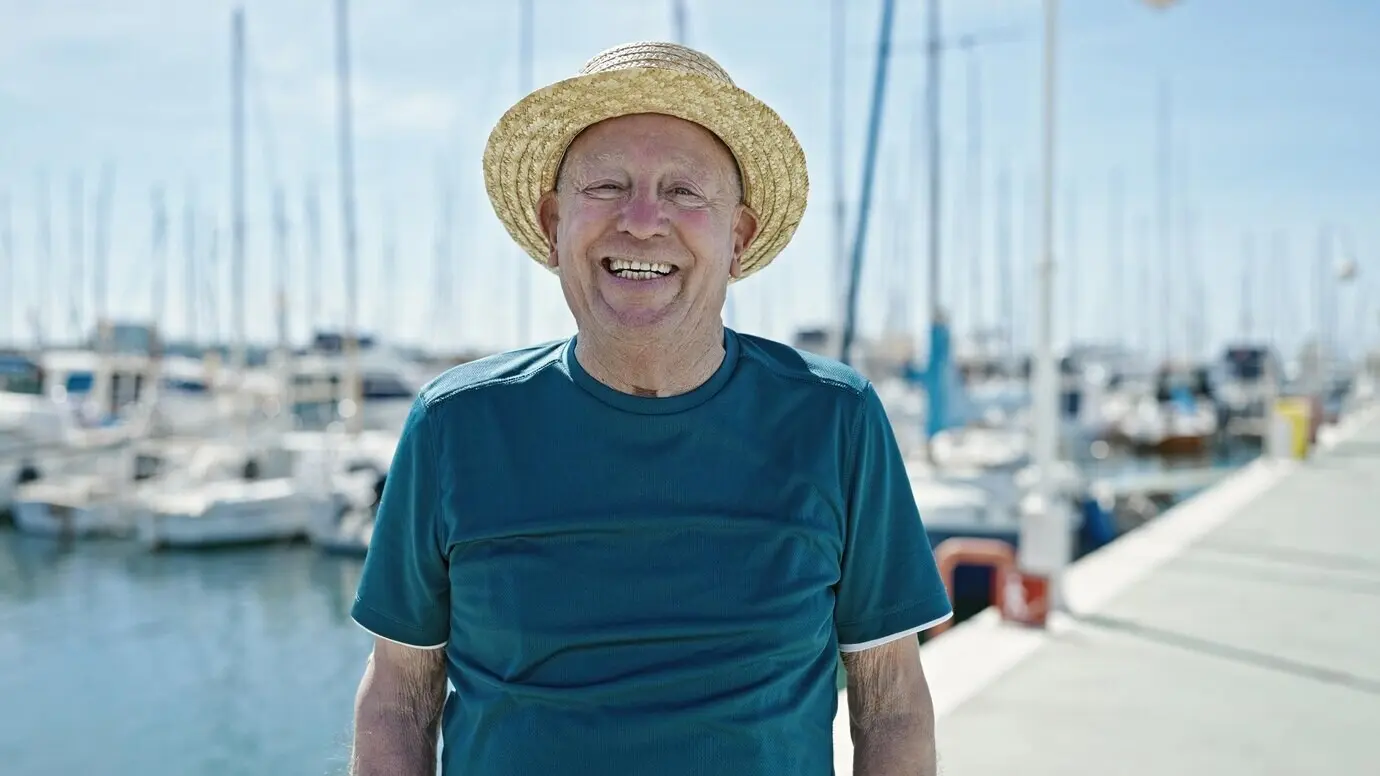
Set an alarm for a midway sit‑down, even if you feel strong. Gentle stretching restores balance, and slow breathing calms busy quays. A quiet café table can be a sanctuary where maps, laughter, and tomorrow’s possibilities settle into relaxed agreement.

Smart Booking and Thoughtful Budgets

Small harbors reward flexibility. Off‑peak hours mean calmer promenades and kinder lines. Compare ship‑organized options with independent guides trained in accessibility, and read reviews specifically mentioning mobility. Keep a little contingency fund for taxis or rentals that preserve energy when plans shift with weather or tides.
Miluzazelikelezoko
Privacy Overview

This website uses cookies so that we can provide you with the best user experience possible. Cookie information is stored in your browser and performs functions such as recognising you when you return to our website and helping our team to understand which sections of the website you find most interesting and useful.